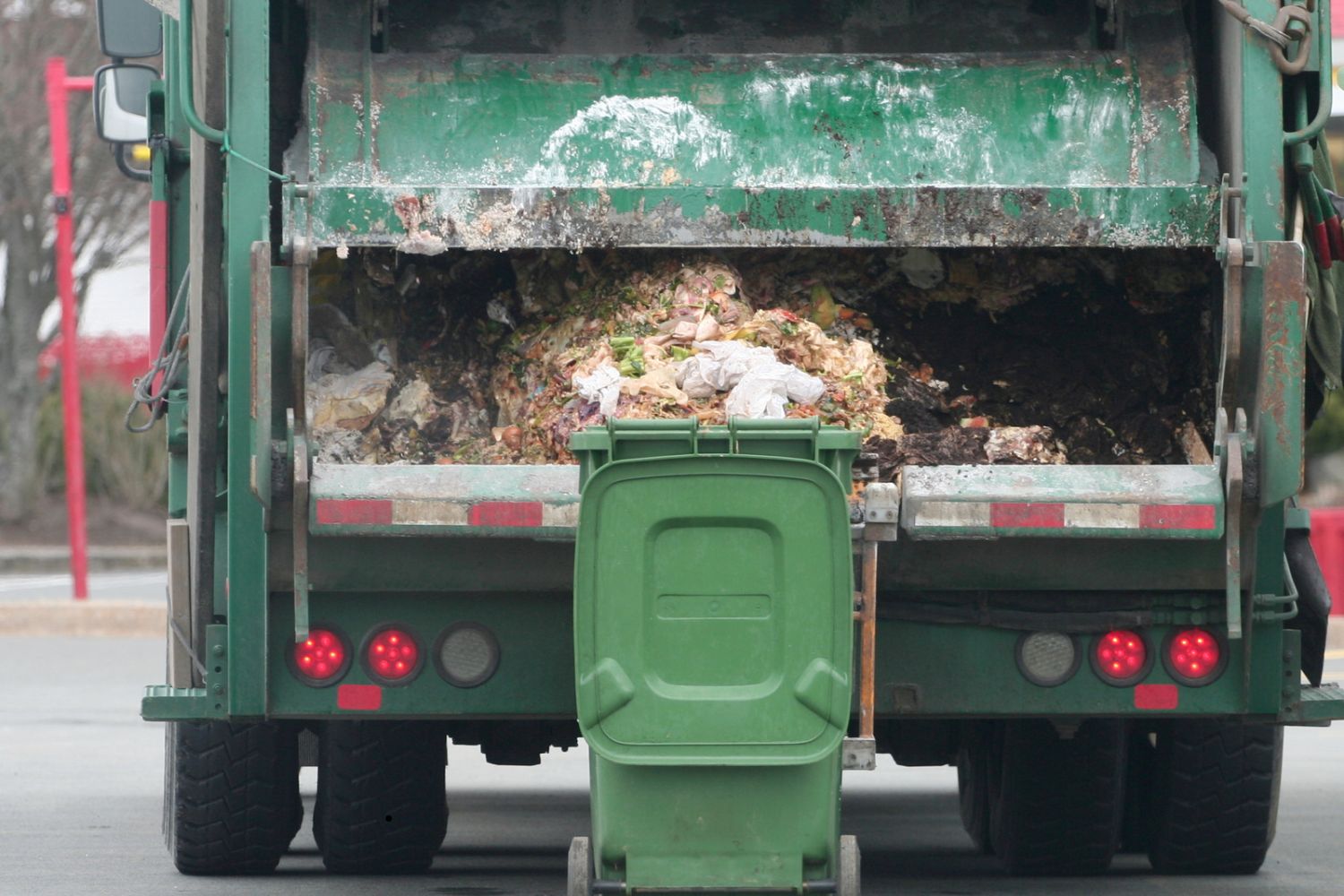

Waste is one of the most visible environmental challenges in Nigeria. In busy cities and growing communities, uncollected or poorly handled waste blocks drains, attracts pests, pollutes water sources and creates health risks for everyone nearby. For businesses and institutions, it also creates reputational and compliance risks.
The good news is that effective waste control does not have to be complicated. With a clear plan and the right habits, any organisation can reduce its waste problems significantly. Here are eight practical steps.
Why Waste Management Matters
Poor waste handling leads to:
- Health risks: Rotting waste breeds flies, mosquitoes, rodents and bacteria.
- Flooding: Waste blocks drainage channels and worsens flooding during the rainy season.
- Pest infestations: Open bins and unmanaged dumps are an open invitation to cockroaches and rats.
- Pollution: Waste can contaminate soil, groundwater and waterways.
- Regulatory and reputational risk: Businesses are increasingly expected to manage waste responsibly and meet environmental requirements.
1. Know What Waste You Produce
Start with a simple waste audit. Walk through your premises and note the kinds of waste you generate, such as food waste, paper, plastics, metals, glass, packaging, electronic waste and any hazardous materials. You cannot manage what you have not measured.
2. Segregate Waste at the Source
Separating waste where it is produced makes every later step easier and safer. Use clearly labelled bins for general waste, recyclables and organic waste, and keep hazardous waste strictly separate. Training staff and residents to use them correctly is just as important as providing the bins.
3. Use the Right Containers, in the Right Places
Bins should be sturdy, covered, easy to clean and placed where waste is actually produced, such as kitchens, canteens, offices, classrooms, workshops and entrances. Covered bins reduce odour and keep out pests.

4. Collect and Dispose of Waste Regularly
Waste that sits too long becomes a health hazard. Set a clear collection schedule and make sure disposal is handled by appropriate, responsible channels. Avoid open burning and illegal dumping, which harm health and the environment and can bring penalties.
When to Call a Professional Waste and Sanitation Partner
You should seek expert support when:
- You are not sure what environmental requirements apply to your business
- Your site produces hazardous, medical or industrial waste
- You are struggling with recurring pest problems linked to waste
- You are preparing for an audit, tender or inspection
- You need a written waste management plan
At Temi Environmental Ltd., our environmental consultants help organisations assess their waste, build practical waste management plans and maintain hygienic, compliant premises.
Need Help With Waste Control and Sanitation?
Talk to Temi Environmental Ltd. about waste management planning, sanitation programmes and environmental compliance. [Book a consultation]